

First Iran War: Bangs, Whimpers and Smoke
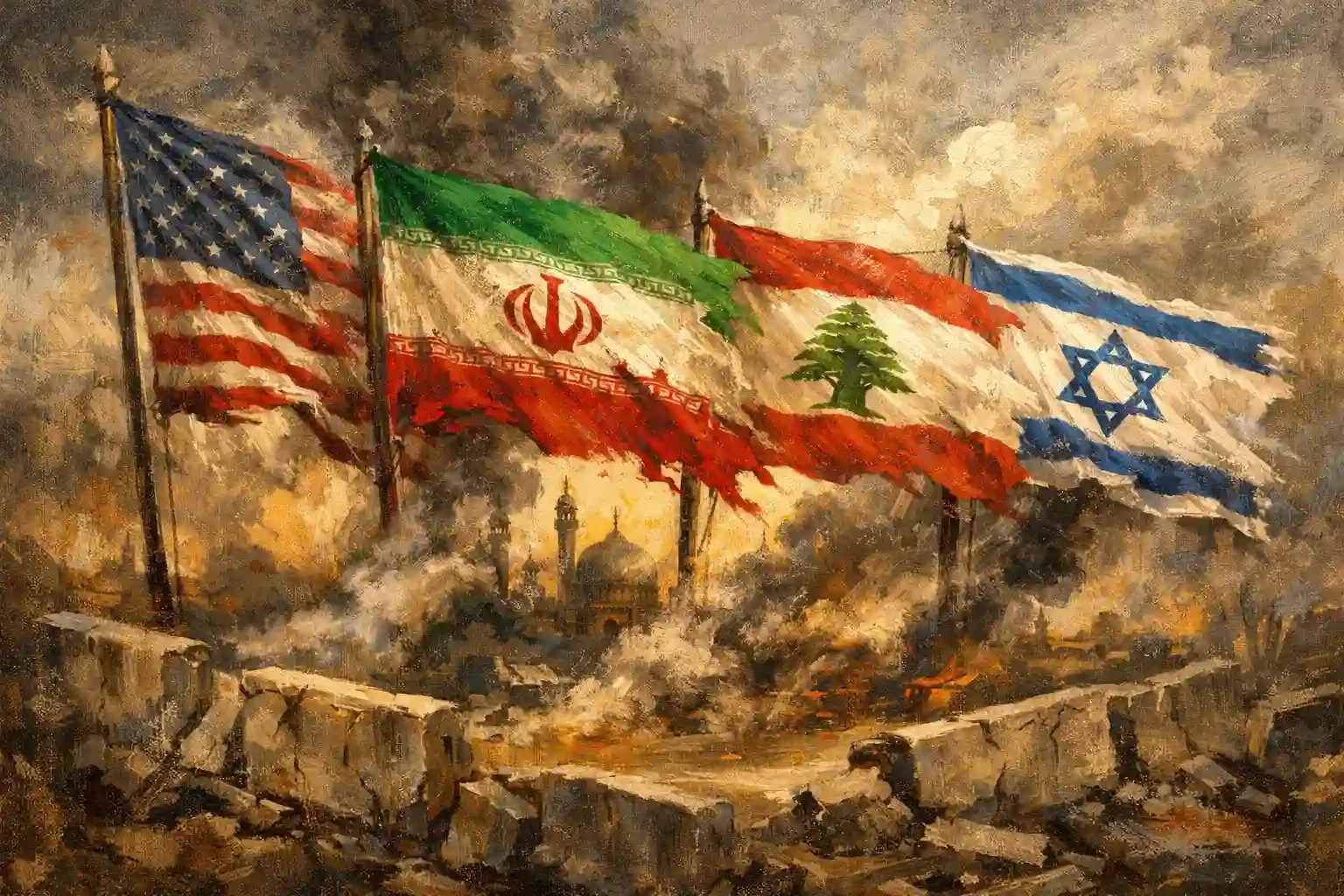
The First Iran War has been eventful, but US dithering has meant that the revolutionary change for Iran has still not materialized.
Perhaps the right word is ‘anticlimactic’ in appraising the first head-on conflict between the Islamist theocracy in Iran and the bilateral(ish) coalition of Israel and the United States. Despite over 40 days of active conflict, damage to infrastructure, civilian casualties, and a global energy crisis, still very little progress in Iran’s democratization has taken place. While the loss of the terror state’s key leaders is not to be downplayed—as many ordinary Iranians will have felt a sense of relief to see so many of their oppressors and tyrants get what they deserve—the deflationary effect of this current respite while the regime and the US “talk it out” is just another brake on the momentum for regime change that began back in January. The ongoing ceasefire has only been prompted by a panicked US administration who has tried to cut corners on regime change, not understanding that the only way out of this was a definitive end of the theocracy and not some illusionary deal. Dealing with the Iranian regime seriously requires recognizing that its existence is not compatible with regional and international security or democracy, and it needs to be confronted with full force. In other words, this particular can cannot be kicked further down the road.
It is important, though, to reiterate the case for regime change in Iran. All too often when interventions go awry, the principle falls through the cracks with it. In fact, the case for removing the Islamist dictatorship has, if anything, only gotten stronger as the war has played out, as the Iranian regime has revealed itself to be the regional security threat that most of us knew it already was. While it was obvious that Iran—through the funding of its proxies in Lebanon, Iraq, Yemen, Syria and the Gaza Strip—was a significant threat to the region, its deliberate attempt to pull its Sunni neighbors into the ongoing conflict was upping the ante in a new way. Firing missiles into the UAE, Saudi Arabia, Bahrain and Jordan has been the collapsing regime’s desperate and masochistic attempt to turn this conflict into a wider regional war and undoubtedly to create a precedent for its own existential destruction.
While this also probably had some domestic motivations to spur support at home, the entry of the Arab states into the fray on the side of Israel would have been Iran’s last-ditch attempt to win the argument in the Muslim world over who is best to lead the cause of anti-Zionism and anti-Westernism: the Sunni Islamists or the Shia Islamists. By allying with the US and Israel, the peoples in the Arab countries would have likely seen this as a betrayal, despite themselves being deeply mistrusting of Iran. Whether or not this would actually have been the case is another argument, but from the logic of the Iranian regime, this would have been its likely intentions when firing upon them.
However, by far the most important case for regime change is the humanitarian one. While humanitarian organizations count casualties and keep score of abuses (as they should on both sides), they have ultimately failed to take the humanitarian situation in Iran seriously enough to argue for the regime’s dismantlement. While calling for reform or restraint is easy, it provides little practical use for those Iranians who face live ammunition when they come out to protest. There is no way—as has become very clear as this war has unfolded—that the Iranians can set themselves free without our help, and our desire for a clear conscience is still overriding the chance for Iranians to form the democracy they deserve and desire, and it’s both naive and callous to just leave them to it. After the Iranian regime massacred 30,000 of its own people earlier this year, this was the clearest indication that this was not a regime that could be reasoned with or debated down with diplomacy, but required a serious confrontation. The United States and Israel were closer to taking this seriously than the Europeans in this particular case.
That being said, it is undeniable that there has been a lot of wishful thinking about this war by the US administration. While Trump might have thought he had discovered a new way of doing regime change without actually removing the regime—as is still the case in Venezuela—any chance of finding himself an Iranian Delcy Rodríguez was always going to be a dead end. The Iranian regime’s resilience to attempts against its destruction was much more pervasive than the US likely believed, hoping in vain that a population, which had just been through a brutal crackdown by its government, would rise up and do the job for them. Instead, even with the assassination of the Ayatollah Khamenei, the regime has adapted its leadership structure to ensure its own survival, leaving boots on the ground as the only realistic option for guaranteeing regime change. I, and I’m sure many others, knew that this was the only realistic option, but apparently the White House didn’t. Indeed, the cowardly way that the US tried to get the Iranian Kurds—who don’t need the US’s permission to take up arms against the regime—to do their dirty work once again, was just another way of trying to avoid the responsibility of what they catalyzed into motion.
Many commentators and analysts want to view the Trump administration as a bombastic defier of international conventions, but if this war has proven anything, it’s that Trump is still playing by the Obama “half-in, half-out” playbook, with the same devastating consequences. In trying to simultaneously appease both the security situation in the Middle East and please his already skeptical base back home, he has ended up doing neither, and has created a chaos that he has no control over. The uncharacteristic, desperate pleas of the so-called strongman on his social media network Truth Social over the Iranian closure of the Strait of Hormuz has only hammered home this consequence. And as Europe has refused to help, Trump faces the limits of his own short-lived foreign policy doctrine that unpredictability, though effective at first, ends up facing a cold indifference in response. For the US, this conflict is looking more like the making of its own Suez crisis. Losing control of this situation for sheer unpreparedness is not a good look for the world’s only superpower and it is perhaps even more disappointing for those Iranians who were counting on it for its support. From my perspective, this has likely been the product of yet another CIA blunder in the region whose record in the Middle East—from installing the Shah in the 1953 coup and backing the Ba’ath Party in Iraq ten years later—has been short-termist, disastrous, and plain stupid.
For Israel however, the war against the regime has been both just and popular. After decades of facing existential threats from Iran, their preemption and will to push for regime change has a lot more justification. Taking security of its own people seriously is something Israel has been generally good at (the incompetence in preventing October 7th aside). As I have pointed out elsewhere, I also think that the Israeli part in the intervention was also fueled by the people’s genuine solidarity with the Iranians, who are closer than I think is properly recognized. While it has needed the United States’ capabilities in order to ensure that regime change is brought about, it is probably no coincidence that in the face of the US’s dithering, it has with some lamentation turned its focus to its operations against Hezbollah.
Hezbollah has been a significant problem for Israelis and the Lebanese, and pushing for its disarmament or defeat has been an imperative for both countries. While many Lebanese—not just Shiites—have their legitimate grievances against Israel, there is a tangible path toward normalization that could be taken if Hezbollah were incapacitated. Hezbollah’s grip over Lebanese politics has been a significant barrier when it comes to the country operating normally, and has allowed its nominally confessional system to be held hostage by a single minority for far too long. The terror group has also posed a substantial threat to Israeli civilians in the north of Israel and—following Hamas’s massacre in the south—has displaced over 100,000 Israeli civilians due to its indiscriminate rocket fire. This is by any standards an intolerable situation for any nation, and the Israelis have had to deal with this gravely, with the knowledge of Hezbollah’s embeddedness. As efforts of the Lebanese government (and their UN supporters) failed miserably to disarm the group, military action was the only inevitable means left open.
However, while operations in Lebanon by the IDF have a security and moral justification, the humanitarian concerns over their invasion of their neighbor are not to be skated over due to the extent that Hezbollah has been allowed to fester there. Hezbollah’s pervasive entrenchment in Lebanese society has made things a lot more complicated when it comes to taking military action. As Lebanon has fallen into greater failed statehood, Hezbollah has stepped in as a provider of social services and order for the Shia population, while the rest of the country faces deep economic and political crisis. This has only allowed it to infiltrate and utilize civilian infrastructure for its own military operations against the Jewish state, making it extremely difficult for any invading force to deal with them without causing displacement and destruction. While the operations against Hezbollah are far from the disaster in Gaza, the fact of the large-scale evacuation and destruction to Lebanese buildings, a purely military solution is unlikely to bring about their demise. Either Hezbollah will need to be kicked out of the country with another Cedar-style revolution—as happened with occupying Syria—or if the Iranian regime falls, Hezbollah will no longer have a backer to keep them funded. Or both.
In any event, this war will only be the first between these two incompatible forces and the ceasefire efforts and talks between Iran, Israel, Lebanon, and the US will likely not lead to anything conclusive—though there is a case for optimism between Israel and Lebanon. Indeed, while Europe can moan all it likes, the reality is that any effective peace negotiation is going on without their involvement. But as long as the regime continues to exist in power over Iran without an established alternative backed by the United States and the rest of the world, the security and humanitarian tensions will remain, and will likely get worse. The idea that we can put off any further harm through diplomacy has always been a false illusion when it comes to dealing with the regime, but this time it’s likely to make everything a lot worse in the future when the fighting resumes. It is especially disappointing for the Iranian democracy movement, who, like the Venezuelans, have had their future left pending.
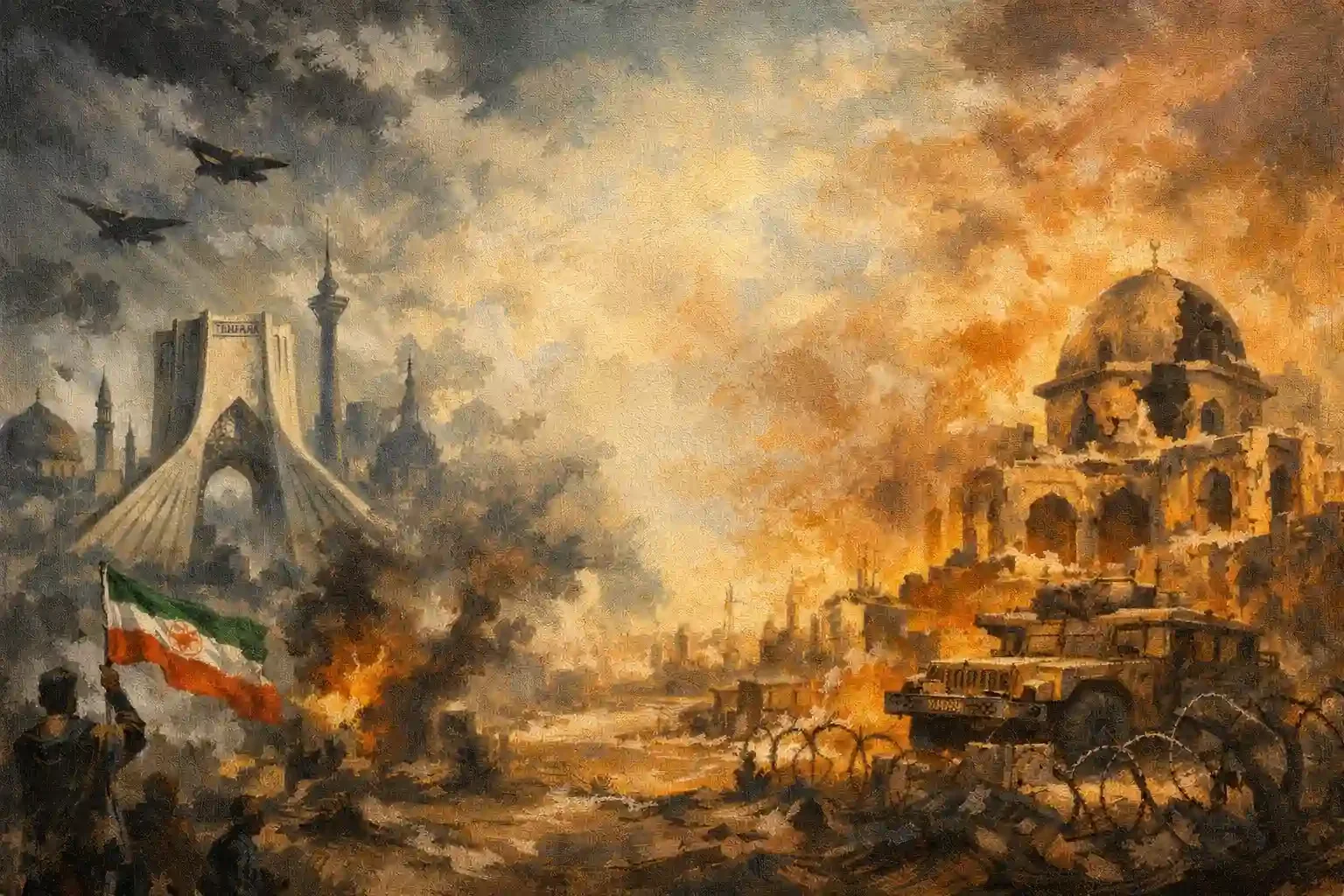
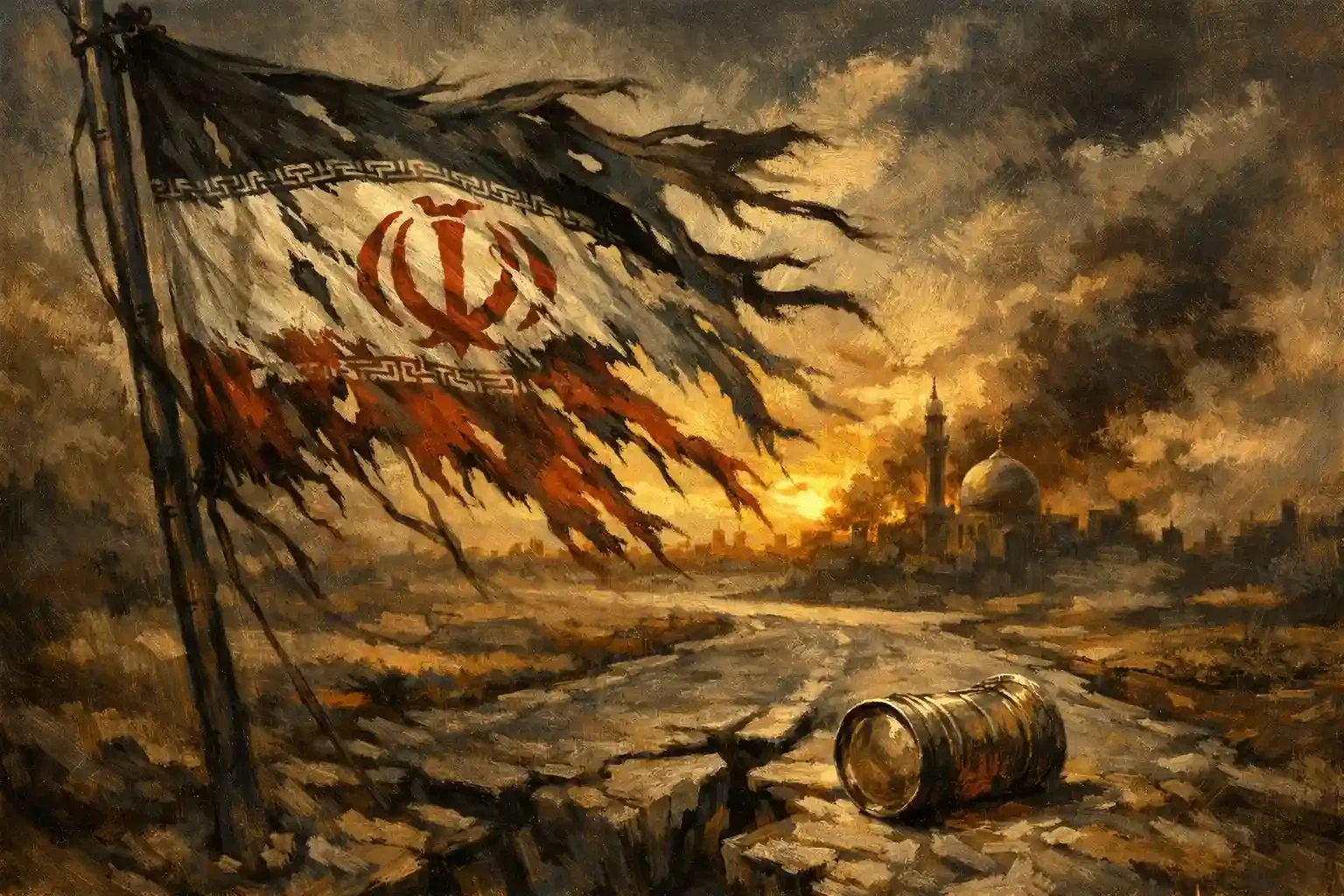
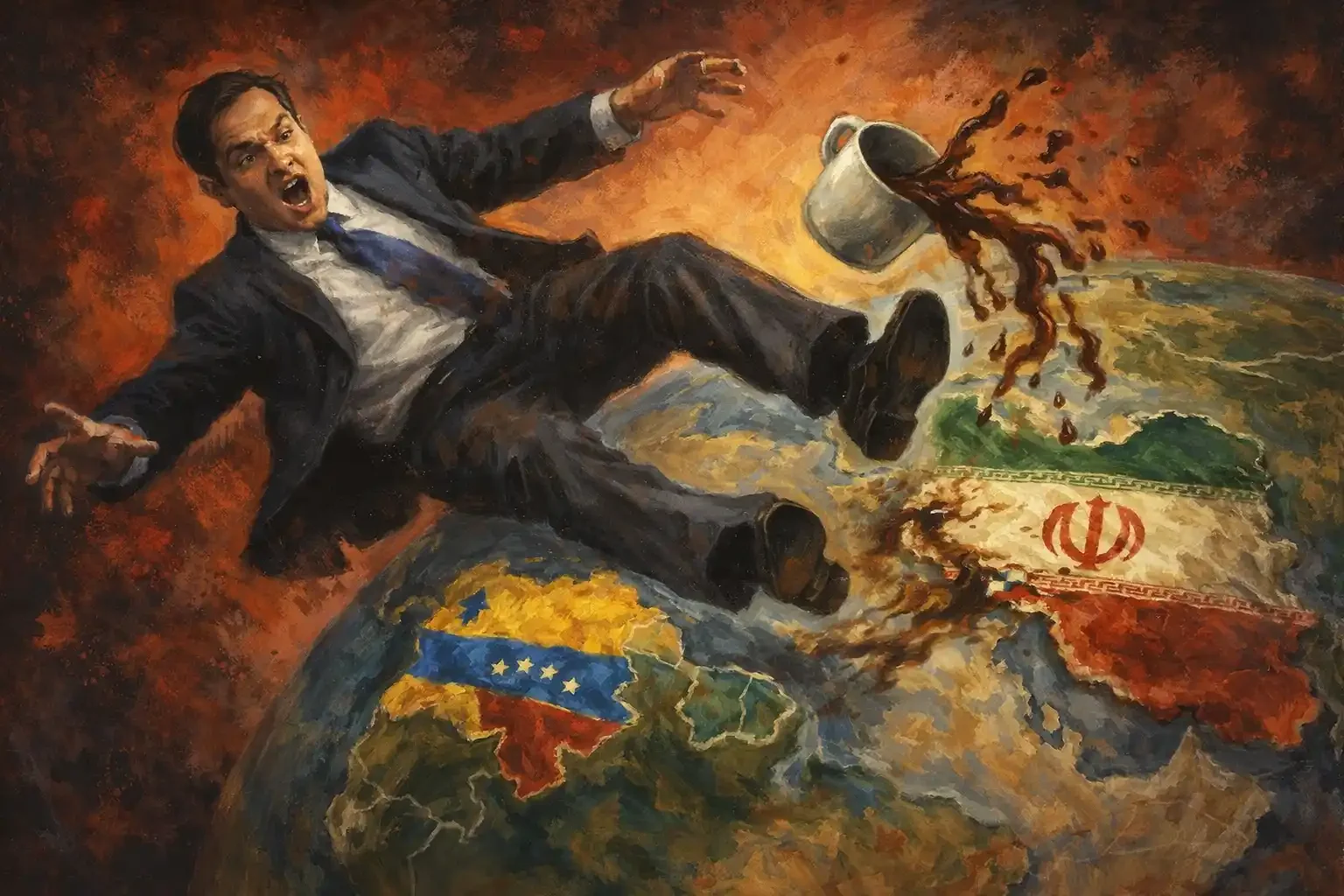
Trump running his mouth off at Netanyahu is probably justified, but the US president is really at fault for the disastrous intervention against the Iranian regime.