Venezuela and Iran: Betrayal or Sloppy Realism?
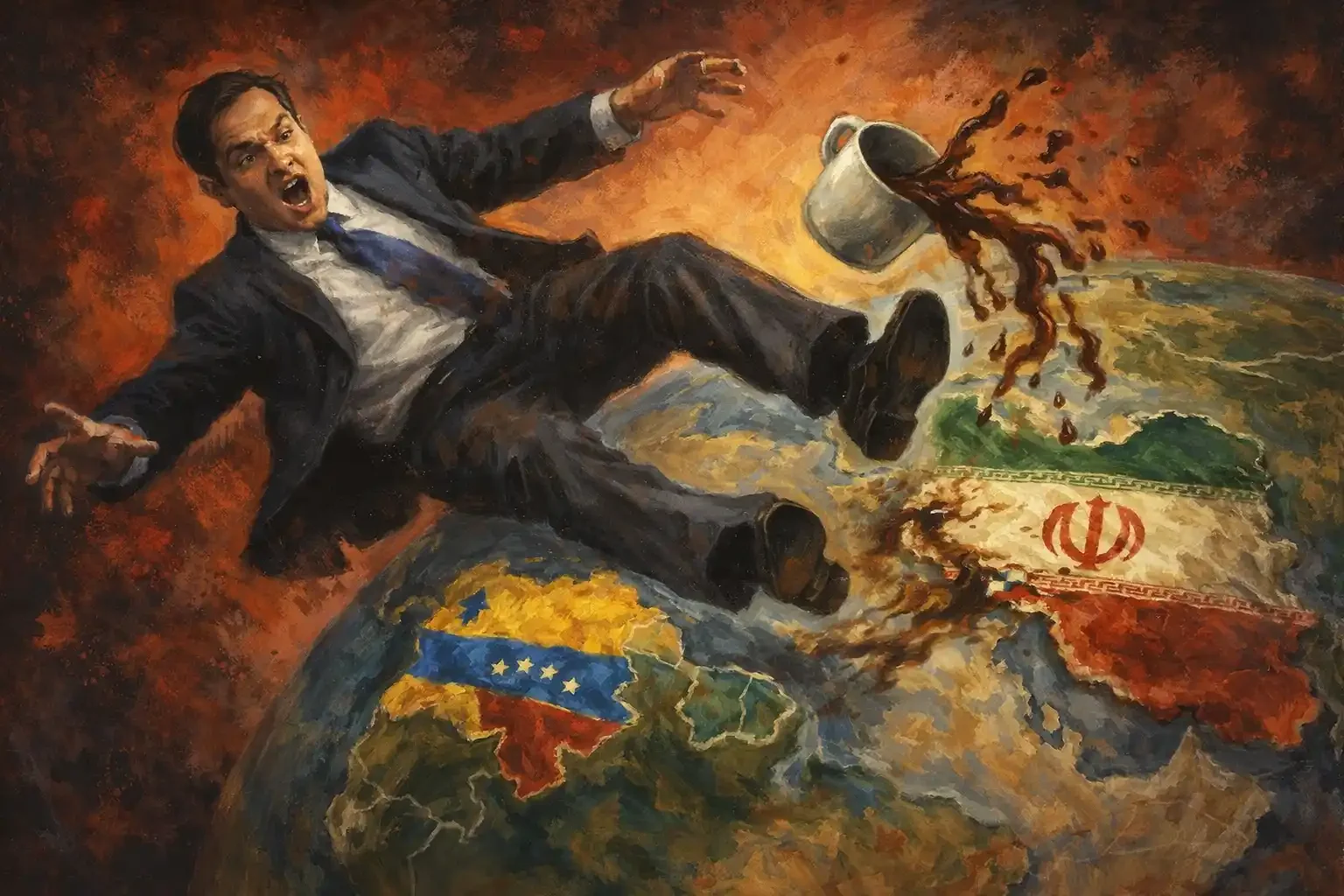
Delcy Rodríguez might play nice... or she might not. At least that is what US intelligence is currently raising doubts about after the CIA gave the green light for her replacing Maduro at the beginning of this year. Fears as to whether Rodríguez—who presumably did in her former boss in a deal with the US in the face of further escalation—will cut ties with Venezuela's anti-Western allies or not for a more US-aligned policy, are what's fueling the doubt.
For those of us who have been advocating regime change in Venezuela, nothing much has changed during the last month. Despite Maduro's removal, the regime is still there, and that glimpse of hope that was felt by millions of Venezuelans in the diaspora was only fleeting. Since the ouster, the Venezuelan regime has cracked down on any celebration for Maduro's arrest, detaining journalists, while the state-backed colectivos militias have been setting up checkpoints to challenge any anti-chavista activism across the country.
That being said, there has been some compliance, though obviously to save face in the light of warding off further action from the United States. The announcement that the Venezuelan regime has granted a general amnesty to political prisoners detained by the regime since 1999 has been a positive step in the right direction. Also, the news that the Helicoide complex—the regime’s Abu Ghraib—will be turned into a center for social services is perhaps an indication that US sharp power is working. Though there’s still a long way to go.
The logic of keeping Rodríguez in charge as an interim measure could potentially make sense from a nominally realist perspective (or from the CIA's view anyway). The Venezuelan democratic movement, spearheaded by María Corina Machado and the internationally recognized winner of the 2024 election, Edmundo González, lacks the institutional and military support to run the country (without US help) as all constitutional bodies are in the grip of chavismo. As Marco Rubio has pointed out, elections can't be held overnight; a slow transition toward democracy is the safest course. Indeed, he has cited Spain's democratic transition between 1975-1978 as a possible example to follow.
But, as usual, so-called "realists" are coming up against their old adversary in Venezuela: reality. In desperately wanting to avoid "another Iraq" (which is a ridiculous comparison for so many reasons), the US administration is working on pure faith that Rodríguez—and in fact the entire regime—will simply give in under threat of US action. And, as it's sadly proving, this sloppy realism might end up forcing the US to actually do the regime change they were hoping to avoid in the first place, which really would be another Iraq.
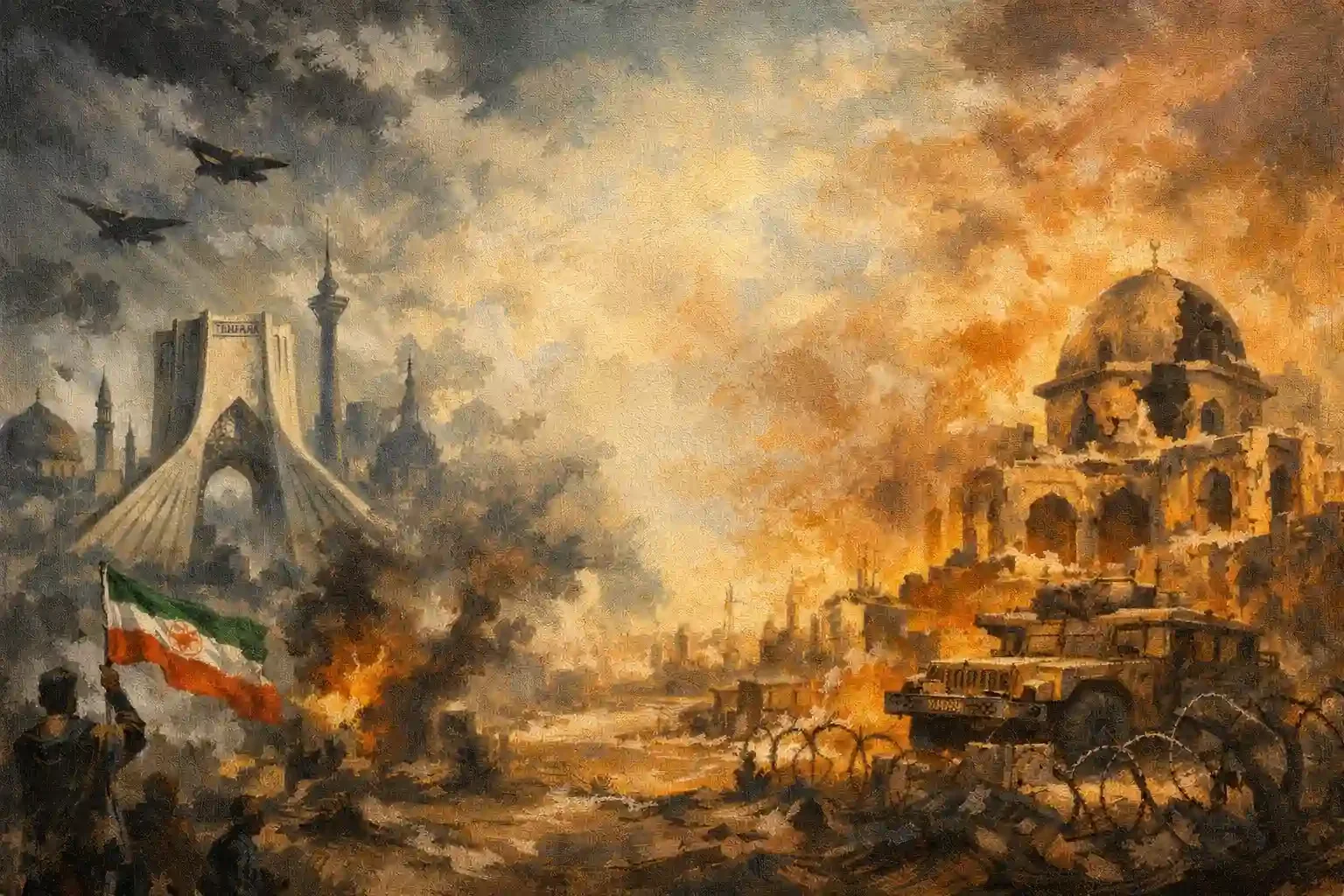
Turning to the Middle East, however, we see how this sloppy realism can mutate into outright betrayal. While the US dithered over a direct strike on Iran while the Islamic regime's largest protests rocked the entire country, Iranian security forces were able to carry out a brutal massacre under the cover of an internet blackout. The deaths of a possible 30,000 people in Iran during the crackdown will only have consolidated the regime's self-belief in its own survival and given it significant time to prepare for strikes against both Israel and the US in the event of action taken against it.
There were very real arguments against striking against Iran. The fears of a wider conflict between the Gulf states, Israel and Iran, and Iranian-backed militias, should not be dismissed. Neither should the case that the US simply didn't have the firepower in place for an effective operation when the protests broke out. While this is changing now, with the aircraft carrier USS Abraham Lincoln as well as additional air assets moving into the Arabian Sea, the fact of it coming too late after the regime has brutally consolidated its rule once again could prove a sad tactical defeat.
The outcome, as speculation rises about an imminent strike on Iran, is likely to be a deal for the regime’s self-preservation. The fact that thousands of Iranians will have died in vain only proves the isolationists’ maxim “an unjust peace is better than a just war” incorrect one again.
In any event, with the divided White House between its imperialist, isolationist, and hawkish camps all vying for President Trump's attention and creating disjointed policies, being able to support democracy movements wherever they spring up is only getting more complicated. This focus on a "transactional world order" and the possibility of trying to find a diplomatic solution in both Venezuela and Iran will ultimately prove myopic (yet again); another case of kicking the can down the road leading to even more deaths rather than saving them. Perhaps what the President needs is another mugging by reality than owning Greenland.
Iran's failed protests this year and Rodríguez's reported unreliability are yet more reasons why readiness to intervene forcefully and committedly on the side of democracy is of paramount importance.
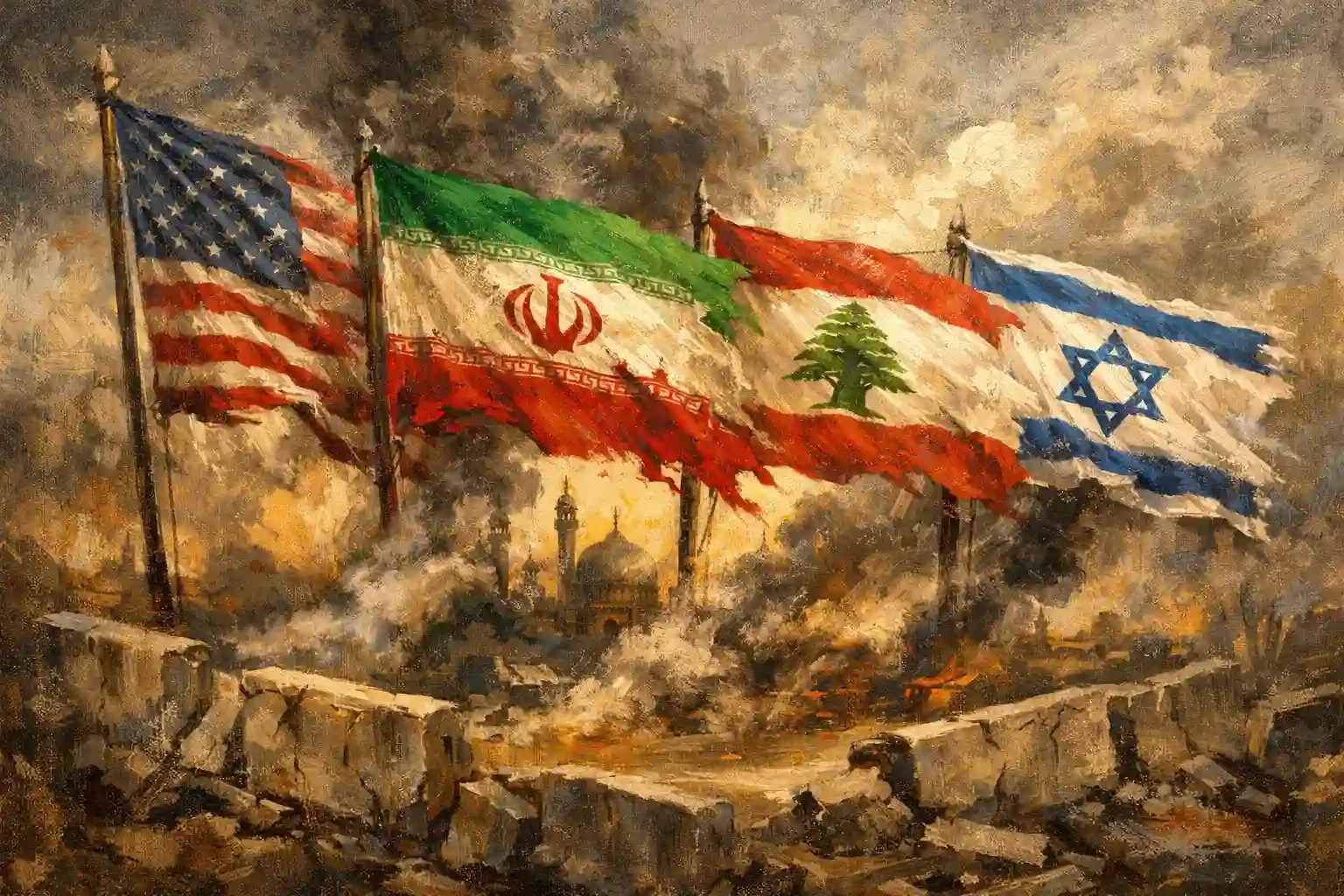
Trump running his mouth off at Netanyahu is probably justified, but the US president is really at fault for the disastrous intervention against the Iranian regime.