

Palestinian Local Elections: Continued Optimism for Gaza
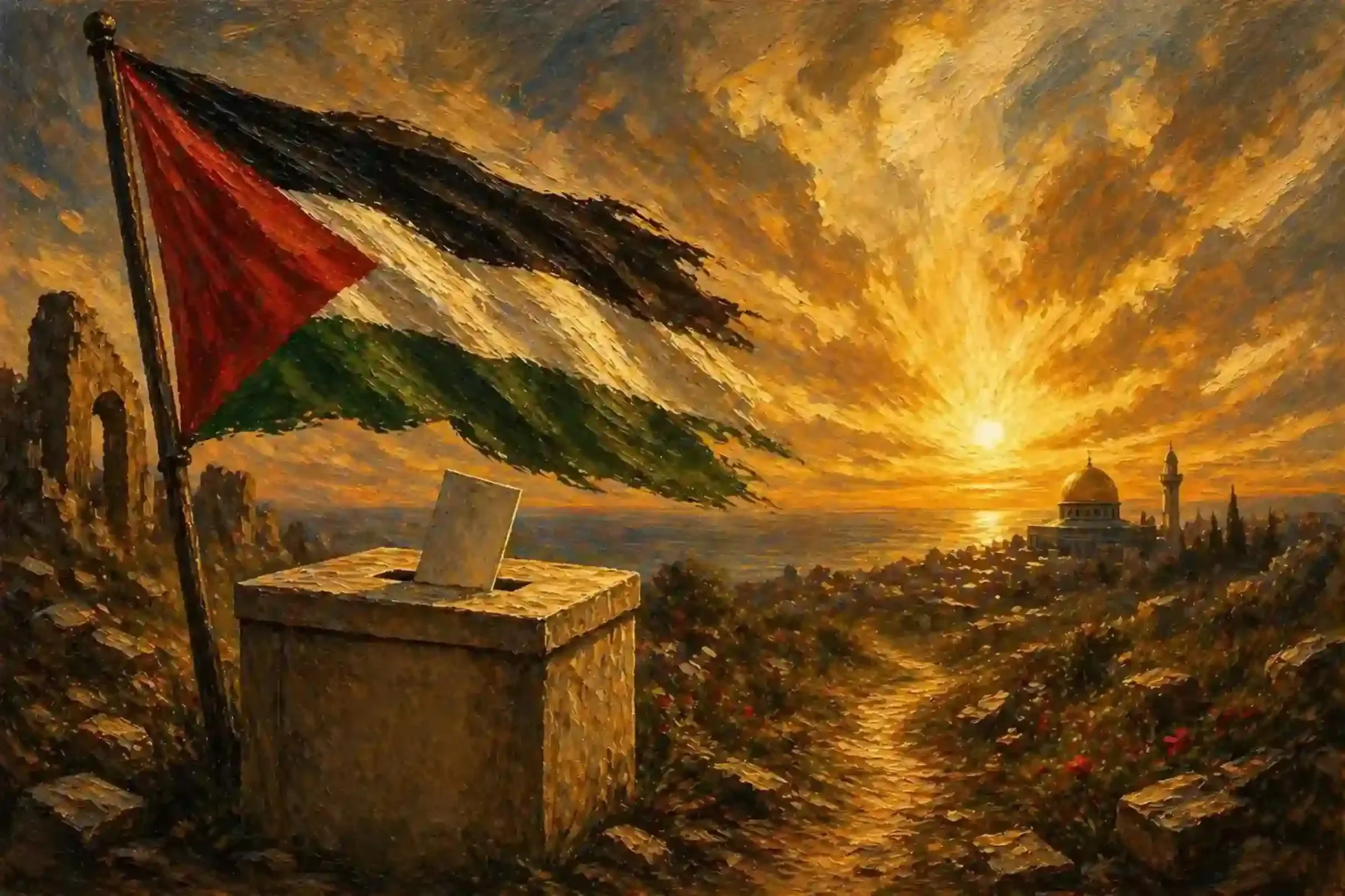
As Gazans vote alongside their Palestinian compatriots, just the participation itself represents some hope for reconciliation.
The fact that 70,000 Gazans have been eligible to vote in the Palestinian local elections last Saturday is no small feat. Despite garnering an understandably low turnout due to logistics, that Gazans in Deir al-Balah were able to vote alongside their West Bank brothers and sisters for the first time since 2006 is an encouraging step toward the reintegration that Palestine desperately needs. While it doesn’t solve anything, nor bring Hamas’s rule to an end, or advance the cause of Palestinian statehood, it does provide some limited optimism that the longstanding inter-Palestinian frozen conflict might have a chance to finally thaw.
For a long time, I have regarded Hamas’s totalitarian grip over the Gaza Strip as the main obstacle for both peace and a Palestinian state. While there have been many other factors that have exacerbated reconciliation and wider peace with the Israelis, Hamas’s extremism has only made any practical advancements entirely moot. The sundering of Palestine that took place after Hamas won the legislative elections in 2006—and after the PA and the international community rightly imposed sanction on them after the terror group rejected all conditions on them—was the moment that the question of Palestinian statehood took a depressing turn. And, while overtures toward resolving the conflict have been made, they have ultimately resulted in nothing due to the incompatibility of Hamas’s and Fatah’s goals and interests.
This second partition of Palestine has only been exploited by all the players around. Indeed, for Hamas this has been the perfect situation. Despite all its claims over its hardline approach regarding Israel, its desire for its destruction is merely a demagogic cover for its own masturbatory blood lust. By using Palestinian grievances to justify its brutal rule of the Strip, Hamas has been able to engage pornographically in violence toward Jews. As long as it can continue to repress the people it claims to speak for, Hamas has no interest in relinquishing any control over Gaza, and the terror group has been able to remain in power purely for its own sick, sadomasochistic pleasure.
The division has also been exacerbated by the interests of the Israeli hard and far-right. While, after the Second Intifada, security concerns have remained understandably dominant in Israeli politics, the right has been able to use these to justify its own ends in annexation of the West Bank. The Likud-led coalitions have consistently tried to prevent the viability of a Palestinian state by playing the Palestinian Authority and Hamas off one another and keeping the conflict without resolution. From providing Hamas access to Qatari funds and giving Gazans greater opportunities to work in Israel, the serial Netanyahu governments have been playing a risky and unwise strategy to delegitimize the Palestinian cause, a strategy that ended up having devastating consequences on October 7th, 2023.
While the Palestinian Authority, which was already weak when it began, has been a victim of fanaticism and cynicism, it is not altogether blameless either for the current state of things. Efforts by Salam Fayyad’s premiership to build up Palestine’s institutions—though generally thwarted by civil strife, unpopularity, and the occupation anyway—were brought to an end due to long-term President Abbas’s paranoia, who has managed to use the divisions for consolidating his own corrupt dictatorship over Palestinians in the West Bank. Abbas’s increasing indifference over the divisions has only made his own destructive retention of power greater. His inaction over Palestinian violence and the continued existence of “pay-to-slay” state assistance for terrorists has meant that Palestine has remained perpetually without any way out of Israeli occupation and sealed off any genuine diplomatic efforts with the Jewish state.
But amidst all this, the isolation of the Gazans and their hopeless subjugation to Hamas’s brutal rule has pushed them into a paradoxical position. Hamas’s violations of Gazans’ rights have been extensive—from the desecration of women’s rights, to brutal punishment for exercising civil liberties, and the harsh environment for journalists—has all but gone unpunished and ignored by the international community. While surrounding Arab countries have preferred Israeli containment of Hamas and the rest of the world hopes for some vague moment when Gazans will rise up against the terror group, the people have been completely abandoned.
As a consequence of this isolation, when Hamas committed its genocidal massacre on October 7th, kidnapping 251 Israelis in the process, the response from the majority of Gazans was to support the terror group as Israel invaded. The invasion kicked in that vehement Palestinian solidarity toward one another (which, though admirable and passionate, is often fanatic and toxic). The support for Hamas among Gazans, despite its repression and attack on society, was this paradox in action, and was illustrated by anti-Hamas Palestinian journalist Asmaa al-Ghul, who reacted by saying:
“While our values, principles and vision don't align, this brutal war has left us with no choice but to defend Hamas”
This mentality—though deeply problematic given Hamas having started and prolonged the war—is a consequence of the abandonment from the rest of world to deal with the reality of Hamas. Other than empty condemnations from officials, neutrality or support, the situation was permitted to continue indefinitely until it imploded. Indeed, at a time where both Gazans and Israelis needed the world to take Hamas’s rule seriously, Israeli unilateralism prevailed, and has only deteriorated its relationship with the world even further (and perhaps irreversibly). Indeed, a multilateral coalition to removing Hamas was, in my view at least, the only path for moving forward even before Oct 7th. While this is starting to happen today with Trump’s Board of Peace, Gaza’s situation needs a multilateral approach to deprive Hamas of its monopolization of the Strip’s guardianship and allow for alternatives to emerge.
While the superficial internal divisions within Palestinian politics continue to persist, there will be very little progress made on the real civil issues that Palestinians still face—regardless of the occupation. These problems will remain unsolved and the governance will continue to face ideological tensions with extremisms that are more amplified than they ought to be. In a conversation hosted by CDDRL's Program on Arab Reform and Democracy, Salam Fayyad argued for including Hamas in the political processes of the PA to present a pan-Palestinian position when it comes to the rest of the world . Indeed, he argues, as a matter of principle of pluralism in Palestinian society, the Palestinian Liberation Organization (PLO) ought to be expanded to include all political factions in order to collectively consent to a non-factional, technocratic government for all of Palestine. Indeed, even while Hamas is still popular in the West Bank and Gaza, only a minority want them to govern alone, with 39% wanting a Hamas-Fatah government rather than either ruling exclusively.
The problem with this approach, however, will be the fact that, while it might work for Palestinian politics, it ultimately ignores the tremendous harm that Hamas has done to Israeli society and would likely be unworkable with Israelis, unless Hamas could possibly ever prove itself not to be a threat to Israeli and Jewish lives. On this aspect, I am more pessimistic, especially given the increased hatred that both sides now have for one another. For me a technocratic government with a replacement occupation of US-Arab forces and a comprehensive deradicalization program remains to me the only viable path to guaranteeing Israeli security, ending the occupation, and establishing an institutionally stable Palestinian state.
Nevertheless, the elections on Saturday were not so much about political viability but about Gaza being reintegrated back into Palestine. While Hamas did not present candidates and Fatah claimed general victory, the fact is focusing on the results is not the point. Though we might get some insight as to how popular Hamas remains among Gazans and West Bankers, just the fact of their participation is what really matters. After being cut off so long from formal Palestinian politics, their votes might not count for deciding anything, but they signal that they can be included in the future, rather than just ignored.

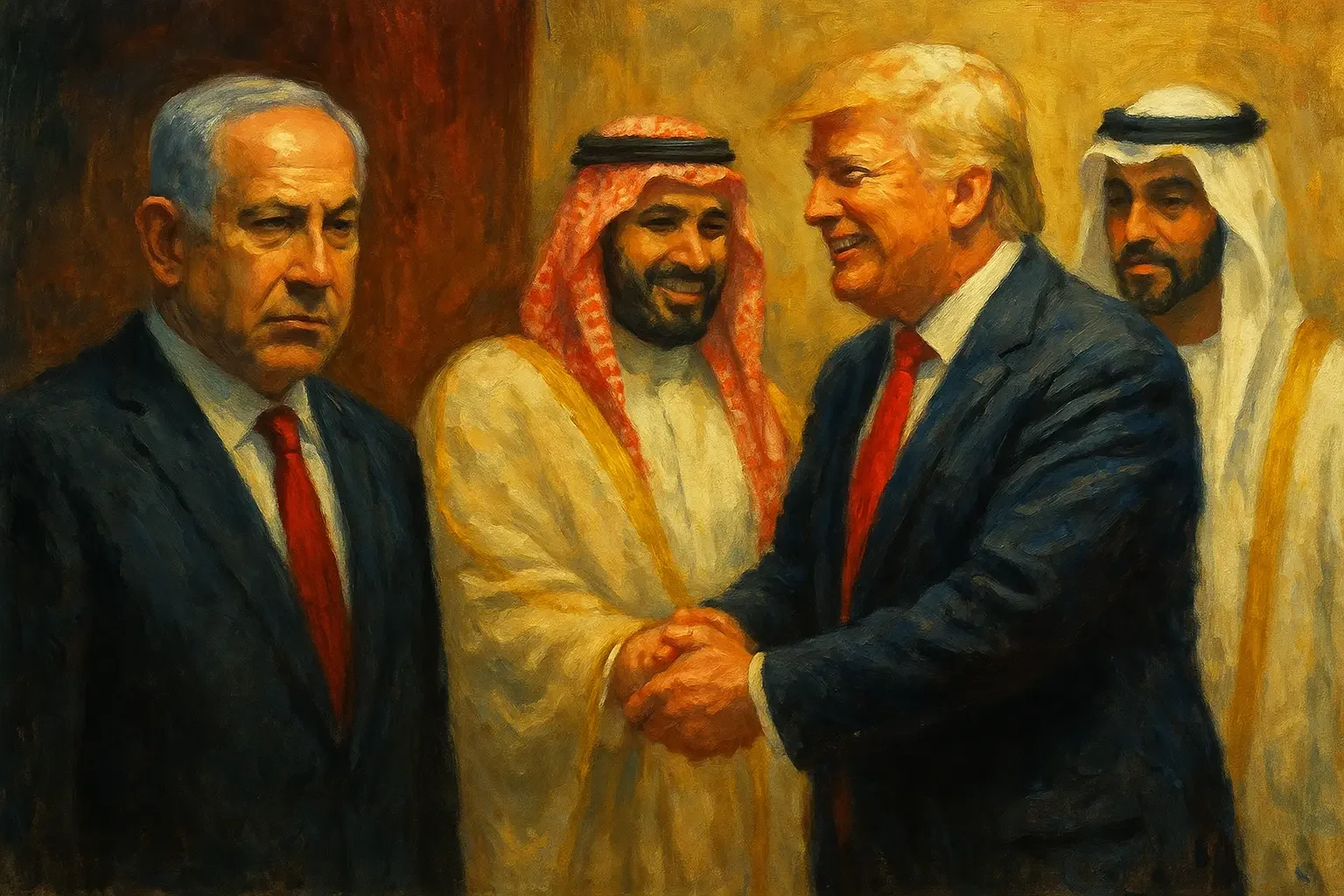
As Gazans vote alongside their Palestinian compatriots, just the participation itself represents some hope for reconciliation.