

Feeding Argentina’s Insatiable Irredentist Urges
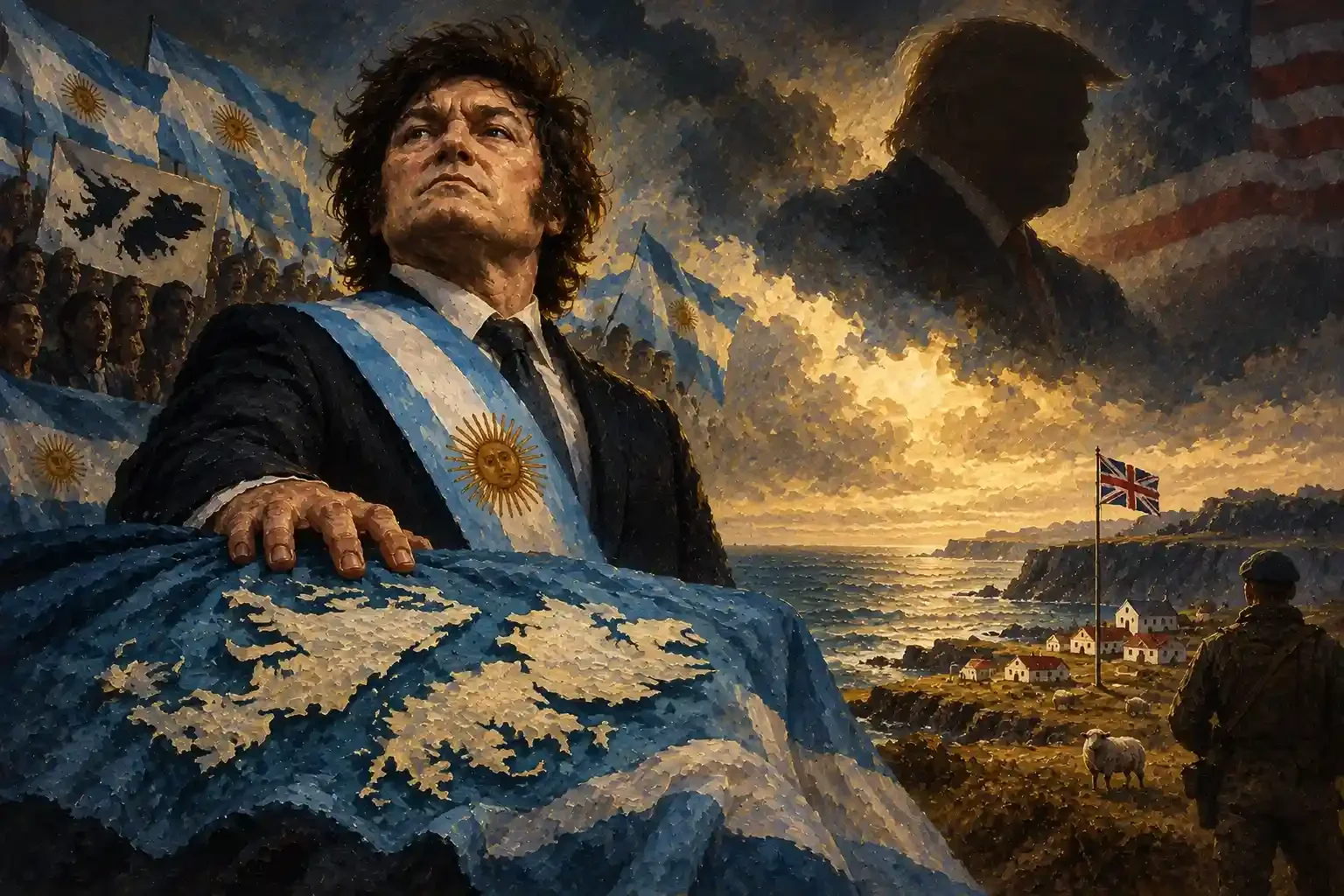
Argentina’s irredentist expansionism over the Falklands is nothing new. But Milei’s confidence that Trump backs him is less about sovereignty and more about punishment for Europe.
Michael Foot’s speech in the House of Commons, the day after the Argentine fascist junta invaded and occupied the Falkland Islands in 1982, was one of his parliamentary best. Not only was his patriotism unambiguous, but he also eloquently balanced it with his duties as the loyal leader of the opposition as he criticized the Thatcher government’s conduct. The defense was characteristic of the UK Labour Party at the time: utterly opposed to dictatorship, supportive of international fora to resolve the crisis, and adamant that Britain—despite being an ex-colonial power itself—had as much right to be a victim and a plaintiff of expansionist aggression as anyone else.
Argentine president Javier Milei’s recent address to the nation was not as impressive, however. Decidedly putting his self-professed libertarianism to one side, Milei has resorted to massaging the age-old Argentine irredentist urge through a cheap bit of vulgarism. The motives, while probably many, could probably have a lot to do with raising his approval rating, which has been low given how badly ordinary Argentinians have been bearing his economic reforms. Given that the next national elections are also just a little over a year away, he likely needs to get a move on in turning things around. Indeed, if Milei could achieve the considerably popular coup of at least some sovereignty in the Falklands, it could put him down in the Argentine revisionist history books—as well as win him a second term.
National pride is probably at the heart of the freshly aggressive turn too. The sort of pride that specializes in producing simultaneously bad winners and bad losers. As we all witnessed when Argentina beat England in the World Cup semi-finals back in July, not only was the celebratory behavior of the national team sickeningly embarrassing, but many of the players couldn’t resist whipping out their rancid irredentism to rub it in. In fact, one of the results of that was most of the world finding out on social media just how mainstream Argentine nationalist expansionism actually was, and I for one was surprised to see so much sympathy for the English, even from other Latin Americans. When Spain went on to win the World Cup, beating Argentina 1–0, we were again treated to another display of unsportsmanship, as both the national team and, subsequently, many in the country, decided to have a tantrum.
But there is another, more opportunistic dimension to the whole drama. As Milei’s statement comes after Donald Trump’s public weighing of the US’s traditional neutrality toward the Falklands, it’s clear that the Argentine president is simply shrewdly seizing a chance. And as the White House continues to turn on its traditional European allies, the US’s shift of support for irredentist claims made by “more loyal” world leaders is just the president putting his transactional realism into greater practice. As I mentioned in my article on the ongoing crisis in Ceuta, loyalty to the Trump administration will probably be recompensed in the form of territorial claims, especially if they hurt Europe. These are the supposed “winds of change” that Milei alluded to in his speech.
Punishing Europe is the obvious factor in all of this. My general conclusion of the motives for the war with Iran was not so much to support either the Israelis or the Iranian people—or, frankly, for oil—but to set Europe a test it could only fail. After starting the war and requesting help for securing the Strait of Hormuz, the US president likely wanted to see European countries refuse to help so he could have some grievance to claim—and about which he’s been whinging about ever since. It is difficult to see—just because this is how the president is—that Trump would just let Spain’s refusal of using the military bases at Rota and Morón go without punishment.
In his alleged support of Milei and Argentina over the sovereignty of the Falklands, not only does it further entrench the so-called “Donroe Doctrine” that ousted Maduro earlier this year, but it also serves as an effective punishment for London for not supporting the US in attacking Iran. Though, perhaps the irony should be pointed out to the president that the UK (as well as other European countries) did end up sending military support, whilst Argentina did not.
Yet I think the joke will ultimately be on Milei. It should not have escaped anyone’s notice that the pattern of betrayal under this US administration has not been concentrated merely on the Europeans. While the early betrayal of Ukrainians was expected, many of the current administration’s non-European allies—both governmental and popular alike—have found themselves done dirty by Trump during this second term. For instance, even with the vast popular support of diaspora Venezuelans, Trump has still propped up the chavista dictatorship in Caracas. Not long after, the Americans left the Syrian Kurds—who depended on US military support—to their fate in al-Sharaa’s new regime. And, perhaps most notoriously, he has dashed the hopes of millions of ordinary Iranians who looked to the Trump administration for help to remove the regime as they were massacred by the government. Indeed, in this last betrayal, Trump has also disappointed many Israelis who genuinely believed that the US would help them finally neutralize the clerical regime in Tehran, rather than the half-hearted disaster it has turned out to be instead. My only hope is that the US doesn’t make the mistake of extending its treason to the Taiwanese--although it is not a high hope.
So, if I were Milei, I wouldn’t be feeling so confident that the US has my back.
Europe, though, needs to learn how to play the new game. Rather than whining over Trump’s attitude toward Greenland or the Falklands and evoking international law, Europeans need to start taking bolder action. The UK, as far as I can see, has reacted to Milei’s address the same way as Spanish ministers reacted to the crisis in Ceuta: outraged condemnations, repeated affirmation of the islands’ Britishness, and little else. No ambassadors have been recalled, no increased military pressure on Argentina, and no visa revocations of Argentine football players from British leagues (a suggested course of action following the World Cup). The risibly naive US-UK “special relationship”—which has always been a myth—must now be firmly buried in the UK’s consciousness as it looks for new friends.
In a world where irredentist powers like Argentina and Morocco will get increasingly more confident, Europe needs to start biting back with more force or find itself without respect or dignity in the new international arena.
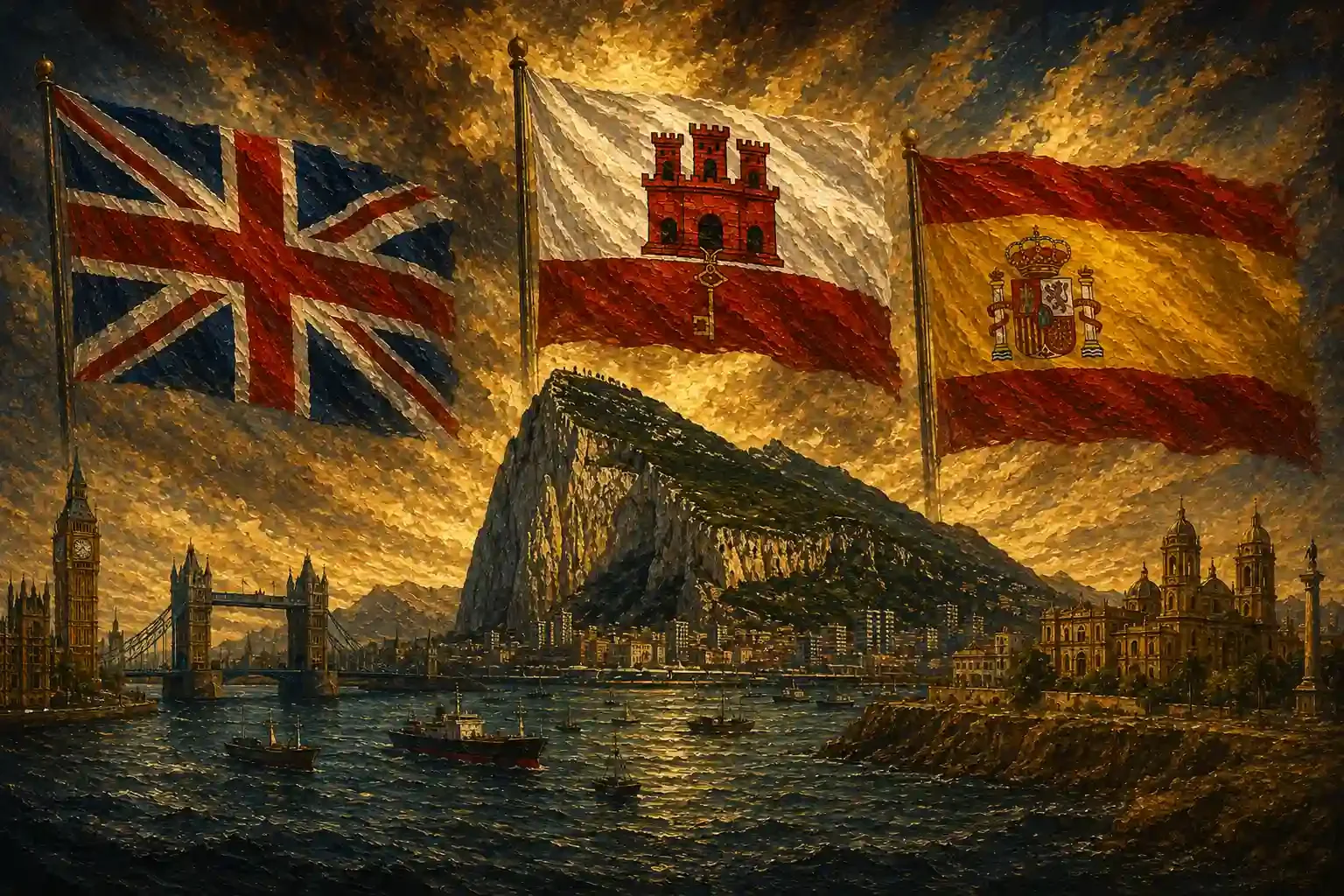
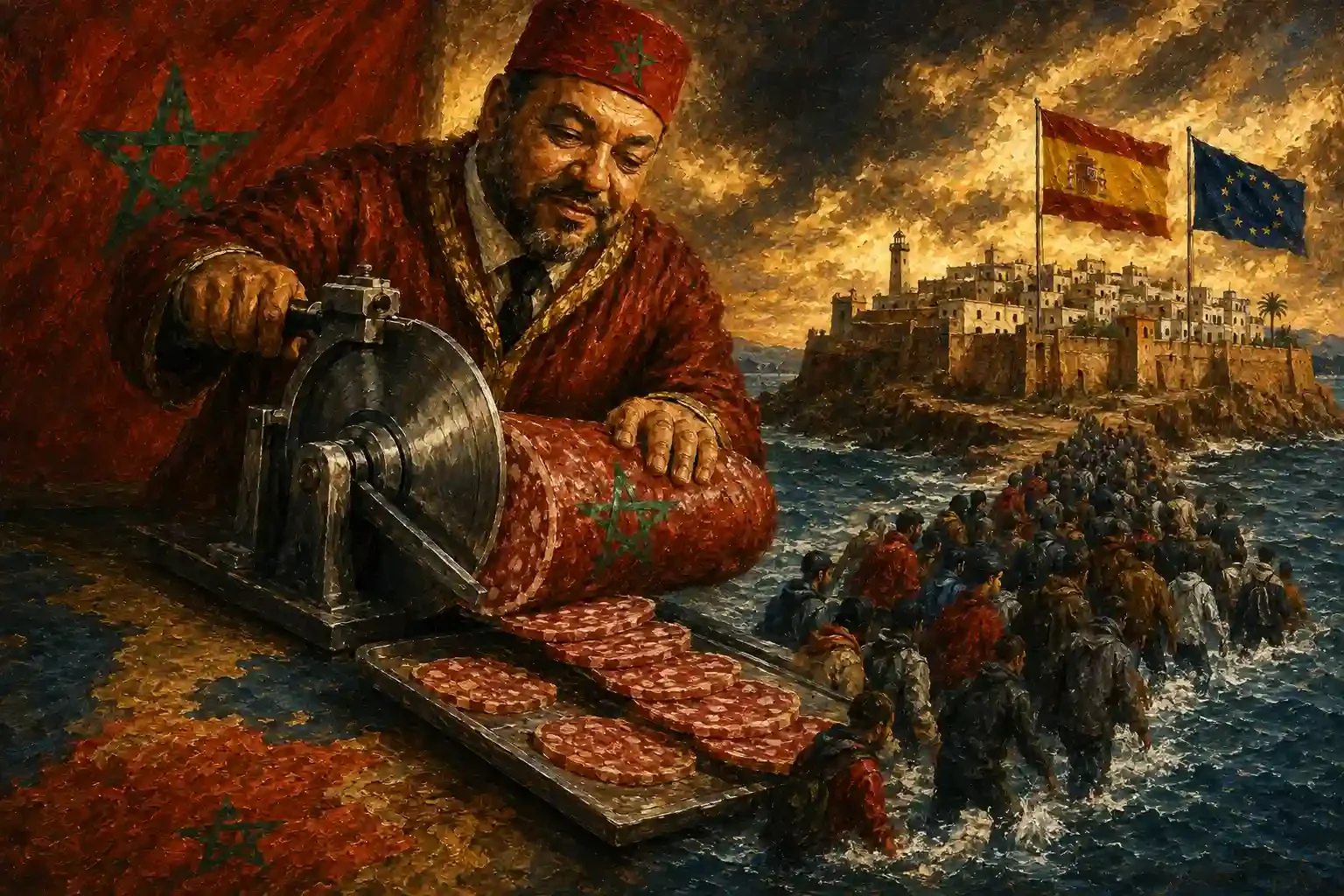
Argentina’s irredentist expansionism over the Falklands is nothing new. But Milei’s confidence that Trump backs him is less about sovereignty and more about punishment for Europe.