

US Finally Striking Terror in the Sahel
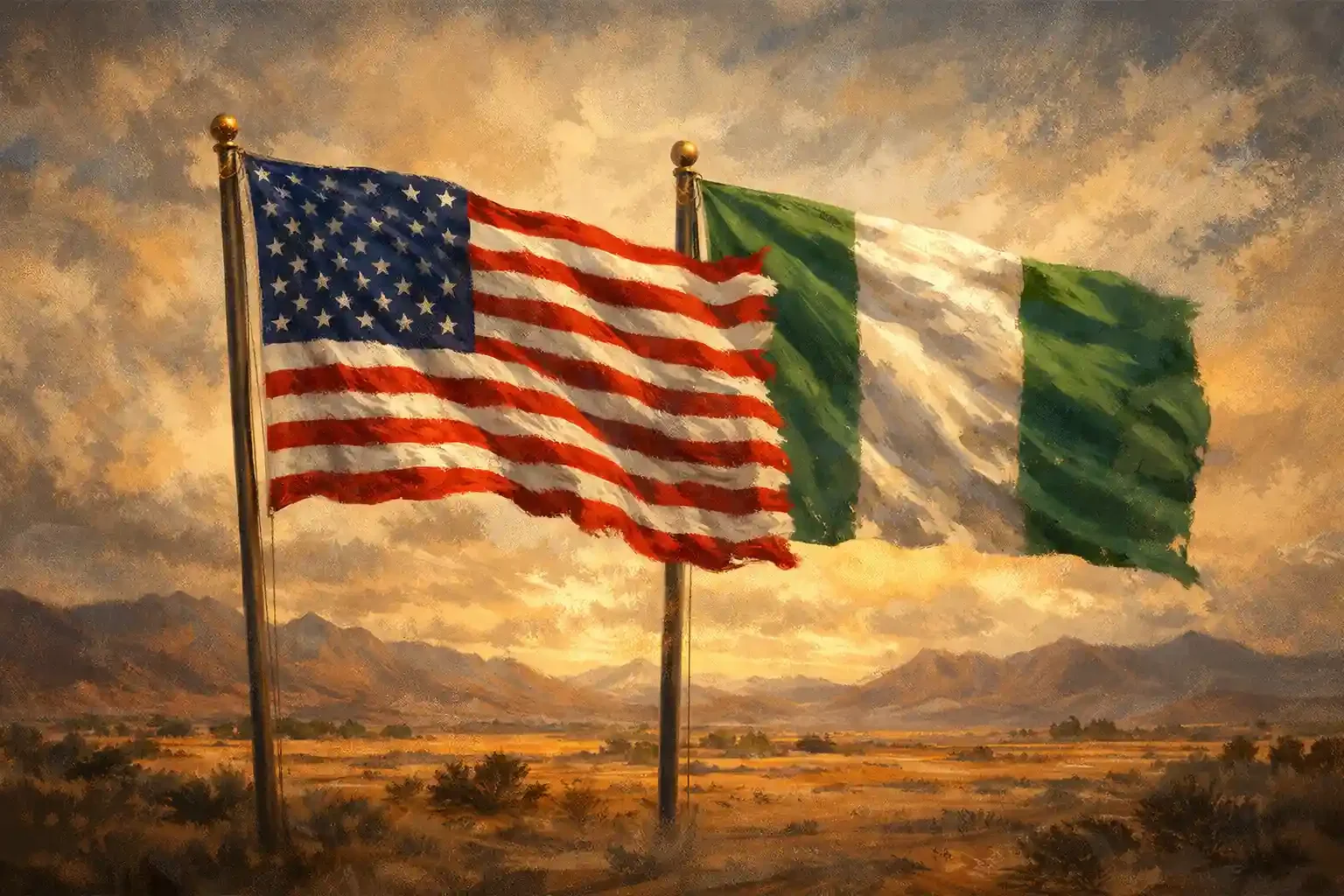
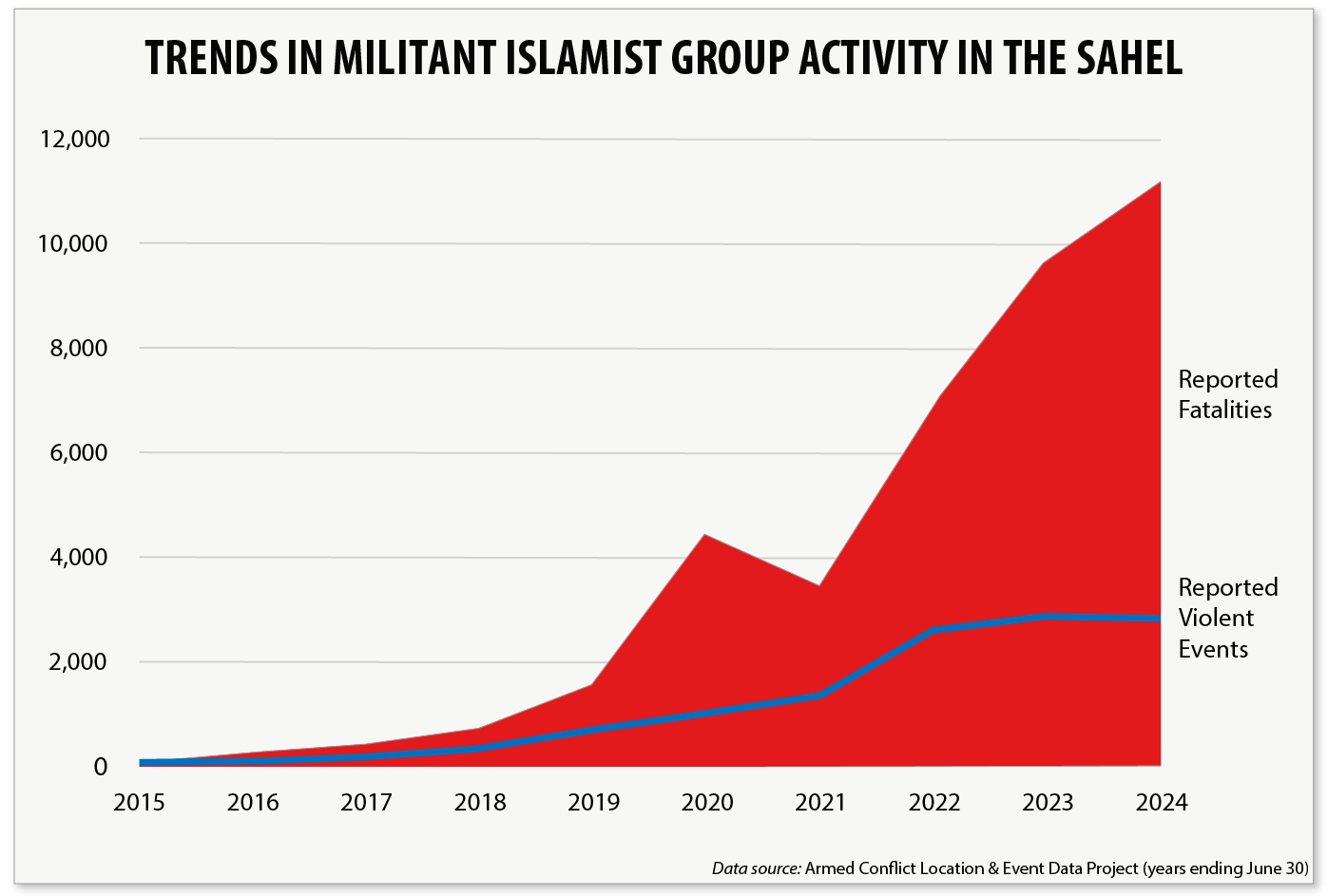
The joint US-Nigerian strikes against Daesh in West Africa has been a welcome Christmas present for those of us arguing for intervention in the region. Since the US-led defeat of the jihadist group's "proto-state" in Iraq and Syria in 2019, its focus has shifted to capitalize on the unstable and weak governments along the Sahel belt. Though the threat to Europe and the rest of the world is still more significant from IS in Eastern Central Asia, the jihadist violence between competing groups and against governments in West Africa has quickly made it the place with the most terror-related deaths.
Despite the vortex of violence in West Africa, the international community has done little to arrest it. Despite the failed French military intervention in Mali, Western inaction has allowed jihadists groups to fester across West Africa and the Sahel, with very little media attention, particularly when compared to the Middle East. Indeed, the series of military coups across the Sahel Belt displacing ambiguously pro-Western governments in Mali, Burkina Faso, Niger, and elsewhere, have seen these states turning to Russia and Turkey to help them battle the terror threat. This, of course, is not just a moral failure, but a strategic one as well.
The situation in West Africa and the Sahel has been serious and complicated. Rather than fighting a single insurgency, the Sahel governments have been faced with multiple competing groups that each represent a distinct deadly threat. Though the Islamic State provinces in West Africa (ISWAP) and in the Sahel (ISSP) have been by far the most brutal, the al-Qaeda affiliated Jama’at Nusrat al-Islam wal-Muslimin (JNIM) has become the most successful, controlling vast territory over Mali and Burkina Faso. The region has become the main hub for Islamist violence and territorial power.
The humanitarian situation has had a desperate impact on civilians from terror groups and governments alike. From raids and destruction of villages followed by mass killings of those accused of either collaborating with the state or not complying with Islamic law have now claimed the lives of over 10,000 people in the Sahel alone. The brutality, particularly exhibited by the Islamic State affiliates as well as the revived Boko Haram, have included abductions and persecution of minorities across the region. Perhaps most harrowing has been the sexual violence, including sex slavery, mass rape and the forced marriages. Boko Haram has also extensively used child soldiers and suicide bombings.
The US decision to intervene against the terror groups in West Africa has also been preceded by a number of strikes against other Daesh-affiliates in the Horn in the run up to Christmas, as well as airstrikes against IS in Syria whose operatives murdered three American citizens in December. Despite the frustrating and belligerent unilateralism with which the US began 2025, the news that the strikes in northwest Nigeria were a joint operation between the US and African nation is positive. Indeed, this is the way we ought to be doing things, especially when it comes to dealing with ever-recrudescent problem of Islamist terrorism.
Let's hope we can go back to taking the global terror threat seriously as we enter 2026.
As the Sahel emerges as the global epicenter of jihadist violence, the recent joint US-Nigerian strikes signal a long-awaited strategic shift toward collaborative intervention in West Africa.