Hypocrisy Over Honduras
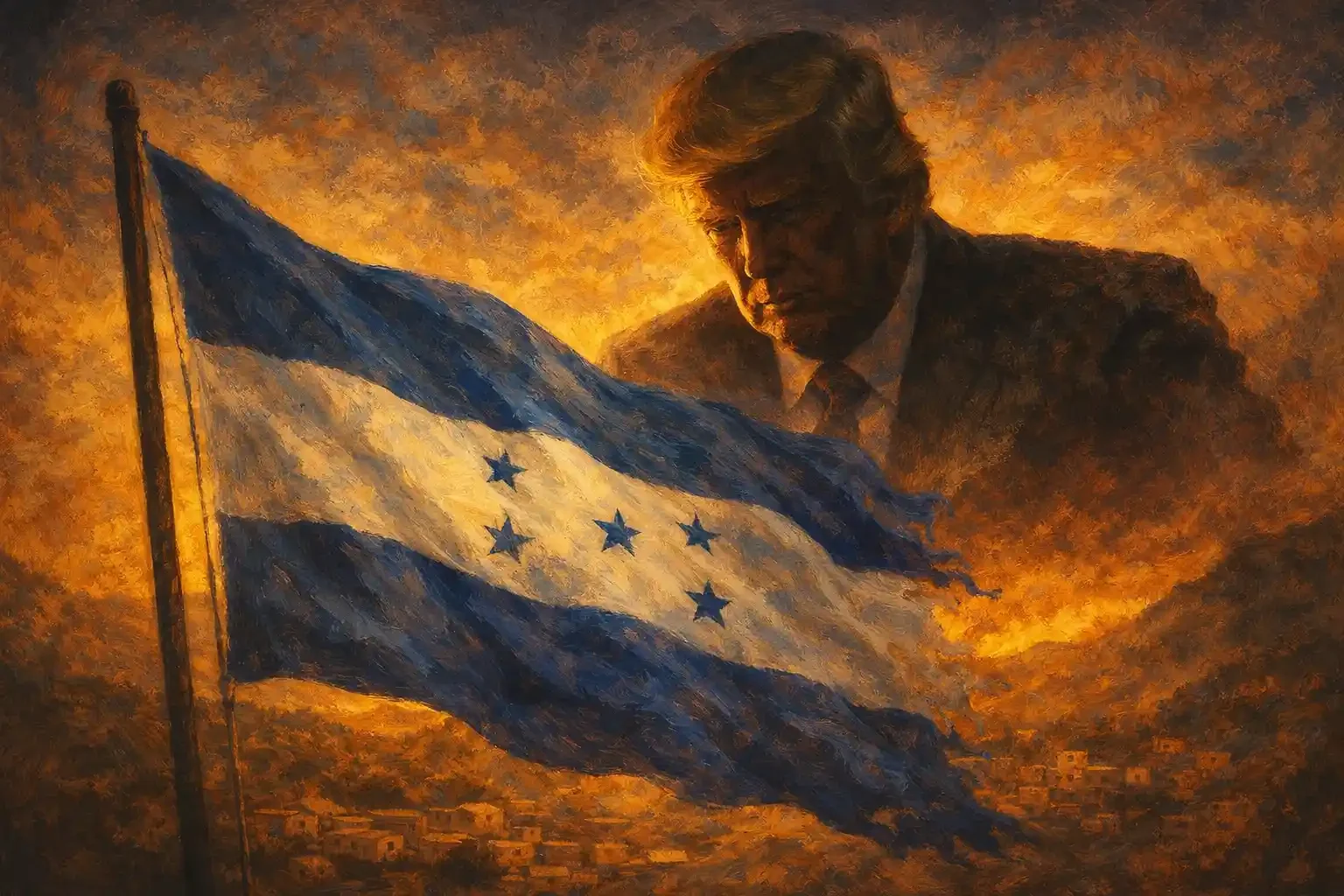
While Venezuelans celebrate the capture of Maduro, Honduras grabbles with the White House’s hypocrisy.
It can't have escaped many's notice that, while the United States ruthlessly pursues its war on narcoterrorism in Venezuela, Colombia and Mexico, its support for the Honduran Nationalist Party seems to be in contradiction to its goals against drugs. The White House's recent interference (short of intervention) in the recent elections in the Central American country for the Nationalists' candidate Nasry Asfura, as well as the arbitrary pardoning of ex-president Juan Orlando Hernández, is nothing short of hypocrisy in the light of its capture of Nicolás Maduro for the same charges Orlando was arrested for.
The Biden administration's arrest of Juan Orlando for drug trafficking, corruption and money laundering was one of the few corrections it had made over the Democrats' previous time in office toward Honduras. While many reel over the overt, unilateralist operation against the Venezuelan president by Trump, the Honduran coup in 2009, backed by then Secretary of State Hillary Clinton, was perhaps even worse, especially given the grave setbacks it had to Honduran democracy and press freedoms. While the then Honduran president, the left-wing Manuel Zelaya, moved closer to Hugo Chávez, Daniel Ortega and Fidel Castro in joining the Bolivarian Alliance for the Peoples of Our America (ALBA), the US green-lit a military coup that would install the right-wing Nationalist Party in power.
The justification for opposing Zelaya actually might have had some weight to it. Given the coup occurred weeks before a consultative referendum on constitutional reform, which might have seen Honduras following the same path as many ALBA states in eliminating presidential term limits, there were certainly concerns about Honduras' direction. However, even in spite of the concerns, there was very little justification for the Kissingerian-style coup against what had been a country whose democracy, though functioning, was extremely fragile. The coup plunged the country into an internet and electricity blackout for three days, with schools suspended and a curfew implemented by the acting interim president Roberto Micheletti.
Since the coup, Honduras has experienced significant democratic backsliding. While civil liberties remained generally the same as they had been, and there was a successful transition of power to the left-wing LIBRE party in 2021, press freedoms have still yet to recover. The coup led to a dramatic deterioration of Honduras' media landscape, with politicians and business interests maintaining a definitive influence over the editorial press. Journalism in Honduras remains a dangerous profession, ranking 142 out of 180 in 2025 on Reporters Without Borders' Press Freedom Index.
But Juan Orlando—despite his extremely dubious presidential reelection campaign in 2017, repressive social conservatism, and deadly responses to protesters—managed to make things worse by overseeing the country's transformation into a narco-state. While Honduras has been no stranger to problems with gangs and drug trafficking, Juan Orlando systematically used drug money to gain and maintain power, using it to fund his campaigns and leveraging state forces, including the police and military, to secure drug routes for gains and protect armed gangs from roaming around where they pleased. Indeed, even compared to the evidence of narcoterrorist activity and sponsorship in Venezuela, the situation created by Juan Orlando in Honduras was even more extensive. In one of its better policies toward the region, the Biden administration formally petitioned the Honduran government to extradite Juan Orlando in 2022 for him to stand trial, where he was sentenced to 45 years in prison.
However, without any apparent shade of irony, the Trump administration has decided to undo this. In fact, while it has its own separate democratic and humanitarian justifications, the current White House's legitimacy for removing Maduro is completely undermined by its pardoning of Juan Orlando in December. Though, of course, there is a partisan motive in supporting right-wing allies across Latin America—from Bukele to Milei—there is something in the US's recent interference in the Honduran elections. While it is a crime enough to free an ex-president who has done immense harm to the Honduran people, its king-making attitude toward Asfura in opposition to either Salvador Nasralla or Rixi Moncada has its old imperialist undertones. While many people have been outraged at the capture of Maduro for the same reasons, the covert US attitude toward Honduras is actually what a colonial policy really looks like. While Venezuelans may be celebrating, Hondurans being unable to make a decision without US approval is something that we ought to listen to.
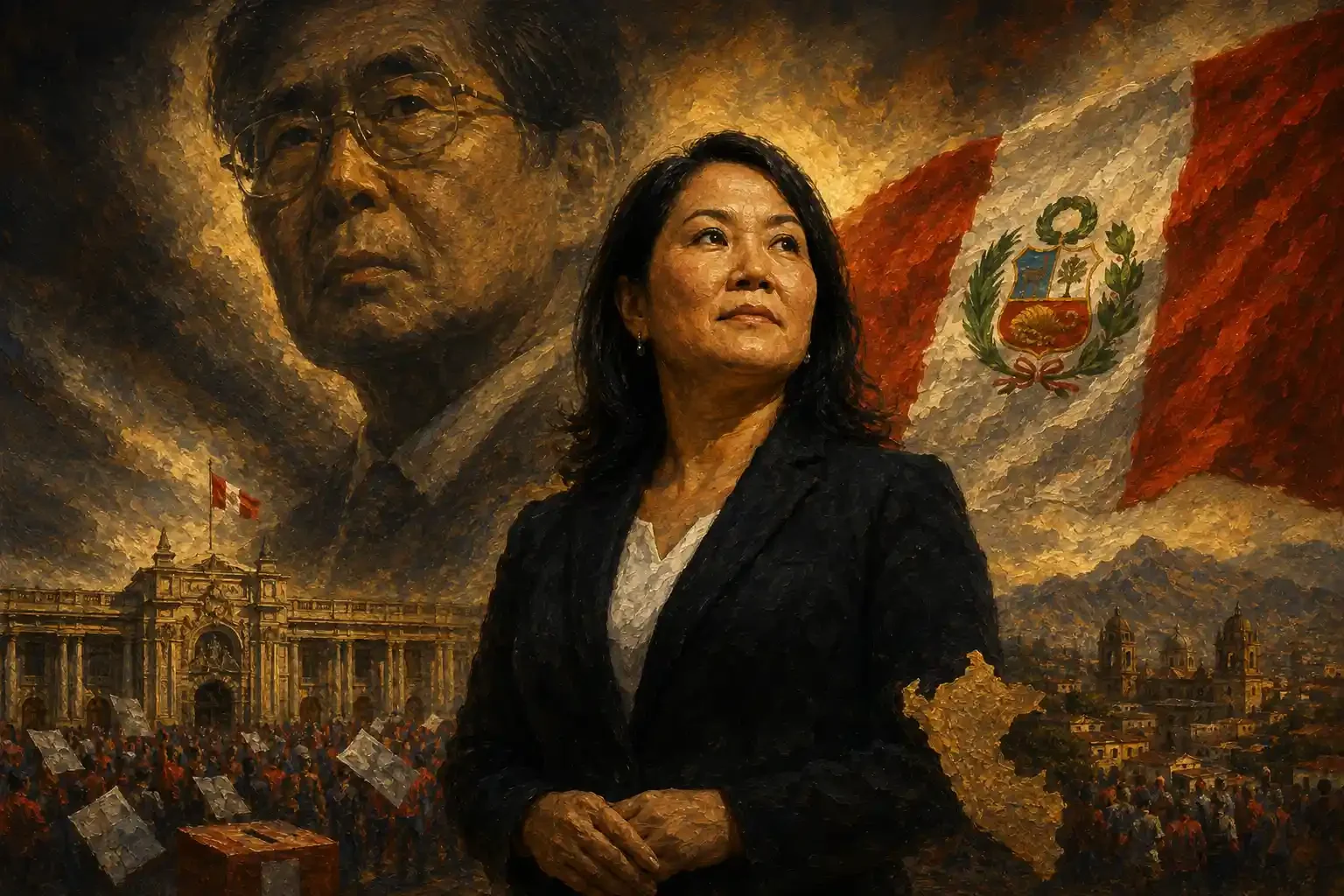
Argentina’s irredentist expansionism over the Falklands is nothing new. But Milei’s confidence that Trump backs him is less about sovereignty and more about punishment for Europe.